There are times when it pays to stop looking at the task list and look at the team doing the work. As organizations move into the final months of the year, this is one of them.
Priorities are competing for attention. New hires may still be finding their feet. Teams are working across different locations and working styles. And leaders are balancing delivery today with plans for 2027. Before focusing solely on what your team needs to achieve, it’s worth asking how well they are set up to achieve it.
Here are five questions that can help you take stock.
1. Does your team understand how to work well together?
A team can have capable people, clear objectives, and plenty of experience and still struggle to work effectively together. Often, the issue isn’t commitment. It’s understanding. Some people prefer to make decisions quickly. Others need time to explore the detail. Some think out loud and communicate directly; others process information before contributing. Under pressure, those differences can become more noticeable.
That’s why understanding working styles matters. Research reported by HR Dive reinforces the point. Gallup found that team coordination and trust remain defining management challenges, particularly in hybrid environments. It also found that when teams establish shared working norms, people report greater productivity and less anxiety.
McQuaig TeamSync helps teams understand the behavioral styles within the group. It can highlight where colleagues naturally align and where different approaches could create friction. The aim isn’t to make everyone work in the same way. It’s to help people understand those differences so they can collaborate more effectively.
Read more: Use Work Style Insights to Build Collaborative Teams
2. Can people challenge the idea without challenging the individual?
Healthy teams need different perspectives. Constructive disagreement can help people test assumptions, identify risks, and find better solutions. But when colleagues don’t understand one another’s communication and behavioral styles, disagreement can become personal.
A direct communicator may be perceived as confrontational. Someone who asks detailed questions may appear resistant to change. A colleague who wants to move quickly may frustrate someone who wants more evidence first. None of those approaches is inherently right or wrong.
The opportunity is to give people enough self-awareness and understanding of others to recognize the difference between productive challenge and personal conflict. That becomes particularly important when teams are under pressure.
“In the presence of mutual respect, team members can communicate openly and constructively.” Ryan Pendell, Gallup workplace science editor.
McQuaig TeamSync provides a practical way to start those conversations. When people can see and discuss different working styles, it becomes easier to ask: How do we make these differences work for us?
3. Are your new hires getting what they need to succeed?
Onboarding is about more than completing a checklist. Done well, and with accountability, it helps a new hire understand what success looks like, build relationships with their manager and colleagues, and start contributing with confidence.
That makes the first few weeks an important opportunity. Rather than overwhelming someone with paperwork and information, effective onboarding should help them understand the role, the team, and how work gets done. SHRM highlights how gaps in the onboarding experience can affect both productivity and retention.
“One of the most common reasons for this drop in motivation, and subsequently, underperformance, is a lack of clarity around what’s expected.”
Behavioral insight helps make that experience more personal and purposeful. When managers understand how a new hire prefers to communicate, approach tasks, make decisions, and interact with others, they can tailor their support from the start. That helps new employees settle into the team, understand expectations, and get up to speed more quickly.
The McQuaig Job Survey defines the behavioral demands of the role, while the McQuaig Word Survey provides insight into the new hire’s natural working style, communication preferences, and motivators.
Bringing the two together during onboarding enable the employee to understand the role while giving their manager practical insight into how best to communicate, coach, and support them.
Then use TeamSync to help the new hire understand the styles around them. That can make the unwritten rules of joining a new team much easier to navigate.
Register for the webinar: Fix the Onboarding Accountability Gap
4. Is there a difficult conversation you need to have?
Perhaps performance has slipped. Two colleagues aren’t working well together. Expectations need to change. Or you need to give feedback you know may be difficult to hear. Putting off the conversation may allow a manageable issue to become a bigger problem. But simply deciding to “have the conversation” isn’t enough. How you approach it matters.
Behavioral insights help leaders prepare with the individual in mind. How does this person typically respond to direct feedback? How much context might they need? Are they likely to want time to process? What communication approach could help keep the discussion constructive? This isn’t about scripting someone’s reaction or avoiding difficult messages. It’s about communicating with greater awareness.
The goal is a conversation in which the issue is clear, the individual feels respected, and both people can focus on what needs to happen next.
Download: The Manager’s Coaching Cheat Sheet
5. Do your leaders understand how others experience their leadership?
There is another working style every team needs to understand: the leader’s own.
Leaders bring their natural preferences, communication habits, strengths, and pressure responses to work just like everyone else. The difference is that their behavior can have a particularly strong influence on the people around them.
That makes self-awareness important and there are signs that managers themselves do need more support. HR Dive reported in April 2026 that Gallup found global manager engagement had fallen from 31% in 2022 to 22% in 2025.
The McQuaig 360 Leadership Review gives leaders an opportunity to understand how their leadership is experienced by others. By bringing together perspectives from managers, peers, and direct reports, it can highlight strengths as well as areas where a different approach could make a positive difference.
That feedback isn’t about judging whether someone is a “good” or “bad” leader. It provides a clearer starting point for development. Because when leaders understand their impact, they have more opportunity to adapt it.
Take a team health check now
Q4 will bring its own demands. And 2027 is closer than it might feel. Before adding another target, initiative, or priority, take a moment to look at the foundations.
Does your team understand how to work together? Can people disagree constructively? Are new hires getting the right start? Are important conversations happening? And do your leaders understand their own impact?
You don’t need a team where everyone thinks or works in the same way. You need a team that understands how to make its differences useful. Behavioral insight helps make those conversations easier, giving people a shared language for understanding themselves, understanding each other, and working together more effectively.
And that enables teams approach the final months of the year with greater clarity and cohesion, while creating stronger foundations for the opportunities and challenges ahead in 2027. Want to know more? Book a demo here.
Join the conversation
Ready to put these ideas into practice? Join our upcoming McQuaig webinar to explore practical ways to strengthen team effectiveness, build greater self-awareness and help people understand how different working styles shape collaboration. You’ll come away with ideas to help your teams communicate more effectively, navigate differences constructively and head into Q4 better prepared to work together.
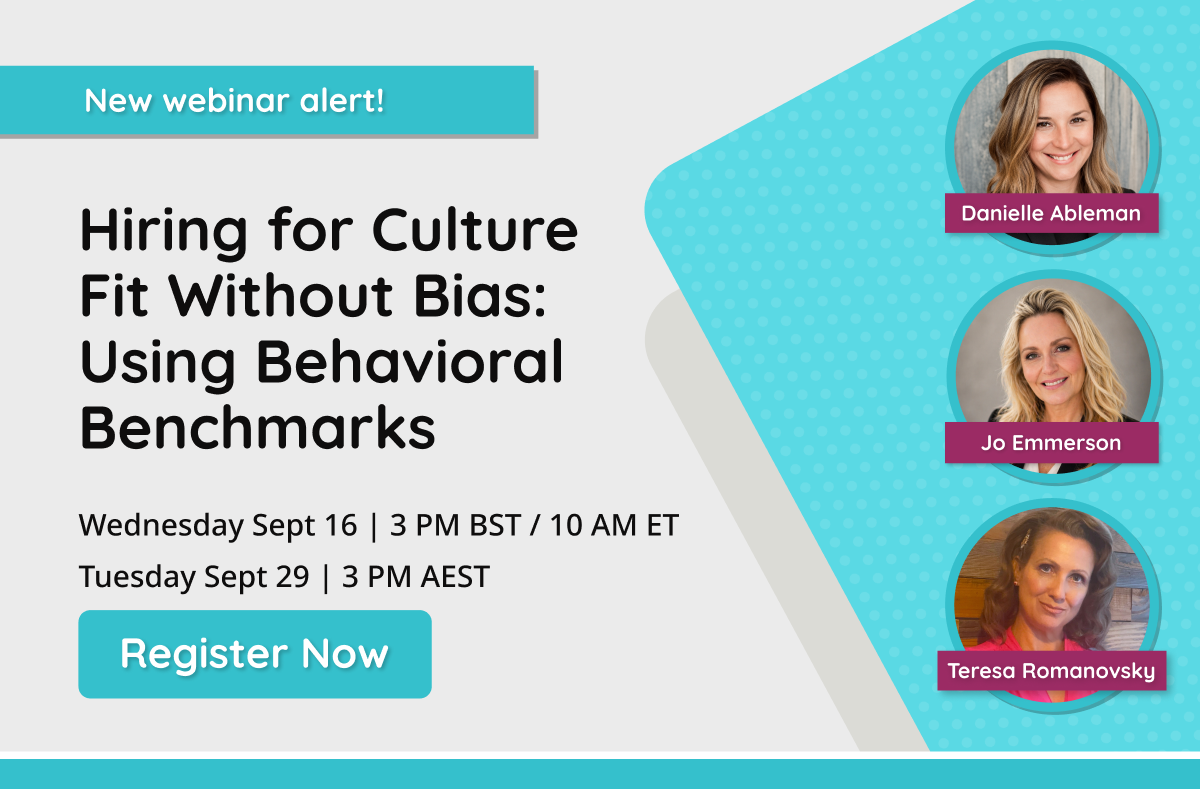
Register here for Wednesday September 16 at 3pm BST \ 10am ET with Jo Emmerson and Danielle Ableman.
Register here for Tuesday September 29 at 3pm AEST with Teresa Romanovsky.