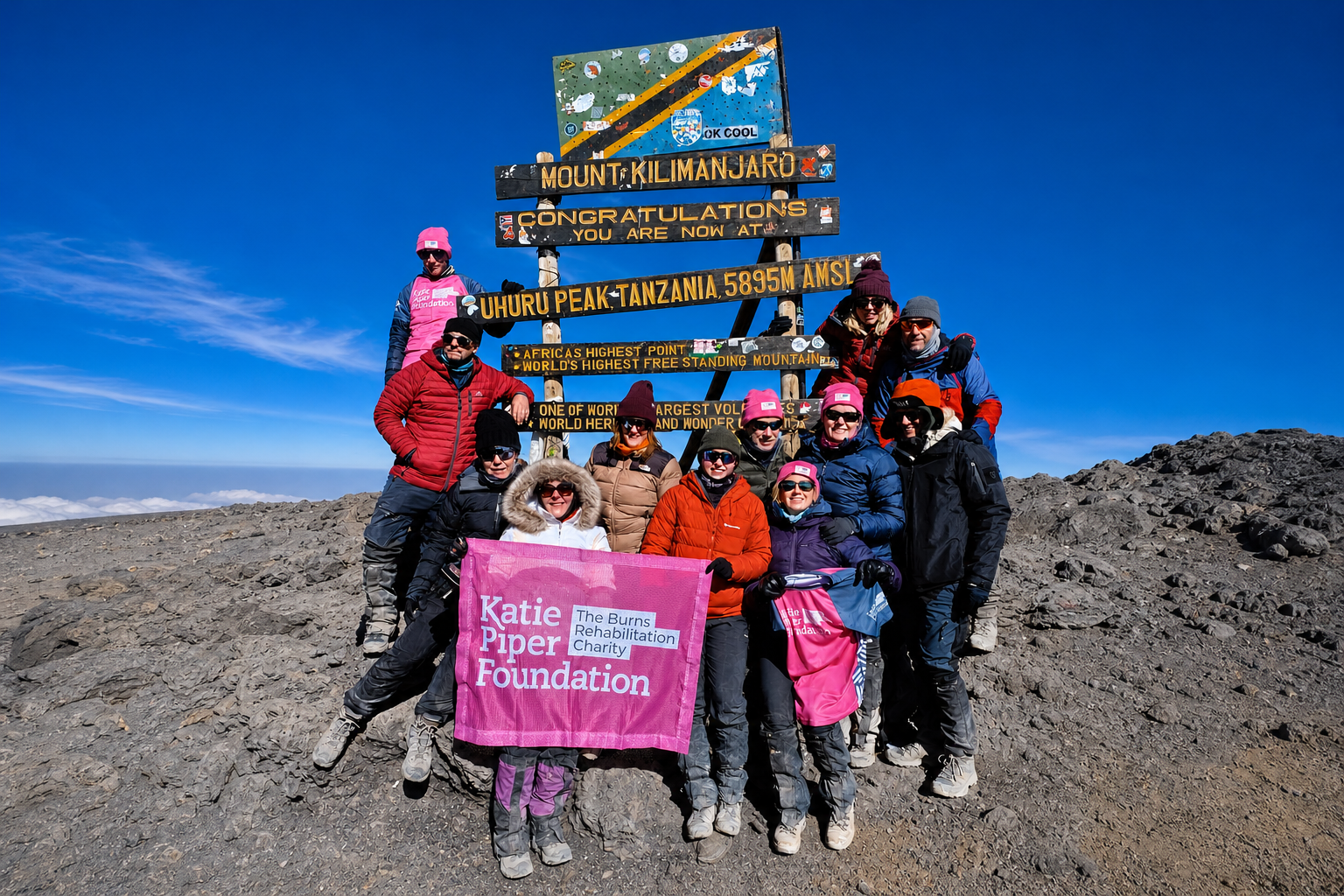
A shared goal gives a team direction. Understanding the people working towards it helps them move forward together.
That was one of the lessons I brought back from climbing Kilimanjaro. My group included strong personalities, each bringing their own approach to the challenge. There was plenty of determination, but determination alone would not necessarily have created a harmonious team.
What helped was the understanding we developed before the trip: knowing how each person preferred to be treated, encouraged and supported. That knowledge helped us adapt to one another and get the best out of the group. It is a lesson that applies just as readily to workplace teams.
The same support will not work for everyone
When someone faces a difficult moment, our instinct is often to offer the support we would appreciate ourselves. But people respond differently. One person may welcome enthusiastic encouragement. Another may prefer a quiet conversation. Some want practical information and a clear next step; others need space to process what is happening.
These differences matter because good intentions do not always translate into helpful support. Frequent check-ins can offer reassurance to one person and feel intrusive to another. Gallup found that 80% of employees who said they had received meaningful feedback in the previous week were fully engaged. The finding highlights the value of conversations employees experience as useful and relevant.
Understanding someone’s preferences helps create a starting point for those conversations. Ask what support they need, check how your approach is landing and adjust where necessary.
For my Kilimanjaro group, knowing one another’s preferences before the trip provided that foundation. We could respond with greater awareness of the individual, rather than assume everyone needed the same thing.
What team fit looks like in practice
Team fit involves understanding how someone’s approach interacts with the people around them, what they contribute and where adjustments could help everyone work more effectively. Different approaches can provide valuable balance. The following workplace examples illustrate how.
Balancing pace with careful consideration
A project team may include someone who makes decisions quickly and wants to keep work moving, alongside a colleague who prefers to examine the detail before committing. Without understanding, each can become frustrated. One feels held back; the other feels rushed. With greater awareness, they can agree how to use both approaches. The team might set a deadline for reviewing risks, then commit to a decision. One person helps maintain momentum while the other helps identify issues that deserve attention.
Their contribution to team fit comes from how effectively they combine those strengths. Gallup reported that people who use their strengths every day are six times as likely to be engaged at work. This supports the value of helping people contribute what they do well, while recognising how colleagues’ strengths can complement their own.
Making room for different communication styles
An outgoing team member may think aloud and contribute readily to meetings. A more reserved colleague may prefer to reflect before sharing a view. If participation is judged only by who speaks first or most often, useful ideas can be missed.
Sharing an agenda in advance, allowing preparation time and inviting contributions after the meeting can help both people participate. Understanding communication preferences helps the manager create conditions in which everyone can contribute.
Agreeing how autonomy and updates will work
A manager may prefer regular progress updates, while a team member feels most effective when given freedom to deliver independently. Without a conversation, the manager may interpret fewer updates as a lack of communication. The employee may experience repeated questions as a lack of trust.
Agreeing milestones, check-in points and circumstances that require an immediate update gives both people clarity. The employee has room to work, and the manager has the visibility they need.
Welcoming a different perspective
An established team may be comfortable with familiar processes and a steady pace. A new colleague may naturally question existing methods and suggest changes. That difference could create tension, but it may also bring something the team needs.
During onboarding, the manager can help the newcomer understand why current processes exist while creating opportunities for them to offer ideas. Existing colleagues can explore suggestions without feeling that their experience is being dismissed. Understanding team fit helps the group make use of a different perspective while building productive relationships.
Explore team fit with McQuaig TeamSync
McQuaig’s Word Survey provides insight into individual behavioural styles. TeamSync brings those insights together in a shared visual view, helping leaders explore the behavioural dynamics across their team. That perspective supports practical questions:
- Where do team members approach work in similar ways?
- Where could different styles provide useful balance?
- Which relationships may benefit from clearer expectations?
- What support could help a new colleague integrate and contribute?
Within TeamSync, the Working Together analysis and report helps people explore how their behavioral styles compare. This provides a starting point for discussing communication, expectations and adjustments that could improve their working relationship.
Those insights become useful through conversation. Check whether they reflect people’s experience, agree practical actions and revisit them as responsibilities or team membership change. The research above provides broader context on engagement and management; the findings are not measures of TeamSync’s impact.
Build understanding before the next challenge
My Kilimanjaro experience highlights the value of understanding a team before that knowledge is put to the test. Workplace teams can take the same approach. Make behavioral conversations part of everyday working relationships. Explore what each person contributes and how colleagues can help them do their best.
Start with one question: “When things become challenging, what helps you do your best?”
Knowing the answer gives you something practical to act on, whether your team is preparing for a demanding project, welcoming a new colleague or climbing a mountain together.
Discover how McQuaig TeamSync can help you understand team fit and turn behavioural insight into better ways of working together. Book a demo here.
Jo's Kili climb ...
In October 2026, Jo took on the challenge of climbing Mount Kilimanjaro in support of the Katie Piper Foundation, a charity dedicated to improving the lives of people living with burns and scars. Beyond the lessons in teamwork, resilience and understanding others, the climb was an opportunity to raise awareness and funds for an important cause. If you’d like to show your support, you can donate to Jo’s fundraising page here.